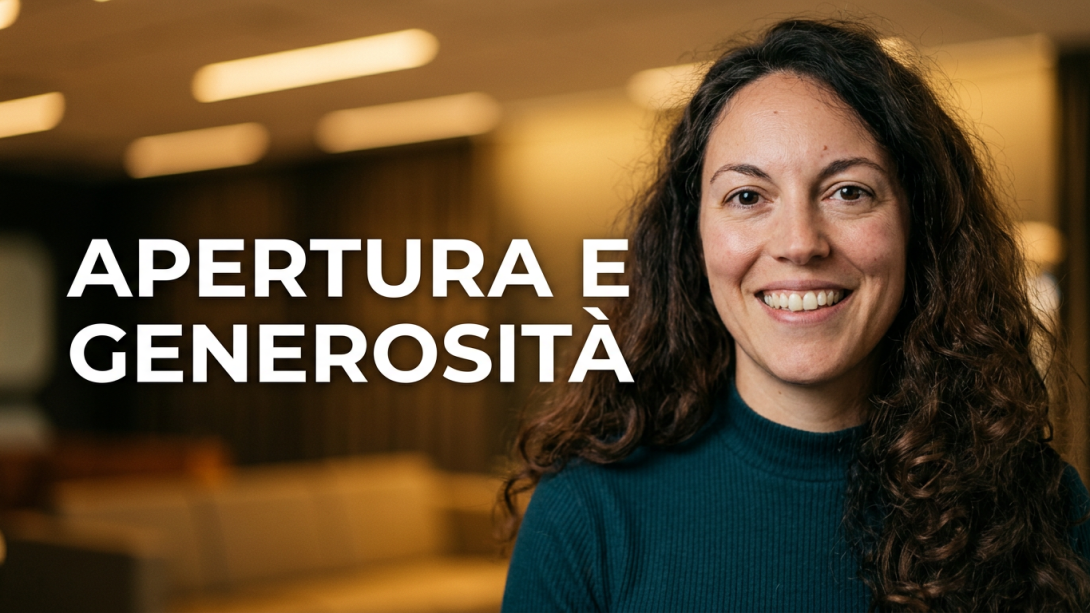
Interview with Giulia Fava (Child neuropsychiatrist, Open Dialogue Practitioner, ASL Roma 2, Rome), recorded at the 30th International Meeting on Dialogical and Reflective Approaches in Treatments of Psychosis, Reykjavik, August 25–30, 2026.
Voices from Reykjavik · Episode 3
Giulia Fava
Giulia Fava Child neuropsychiatrist, Open Dialogue Practitioner ASL Roma 2, Rome
The video is played by YouTube in privacy-enhanced mode and loads only when you press play. Watch on YouTube ↗
- Spoken in
-
Italian
- Subtitles
-
EnglishItalianSpanish
- Country
- Italy
Read the transcript
Tell us your name and where you're from.
My name is Giulia and I come from Rome.
Great. So: what has struck you most during these days here in Reykjavik?
Well, this is the second time I've taken part in this international congress, and I have to say that this time — like the previous one, but perhaps even more — I was struck by the openness and generosity with which people take part in this meeting.
One meeting a year — and it seems to me that each of us attaches a particular importance to meeting in a very open way, being willing to share very intimate emotions and reflections: this seems very precious to me, given also how little time we have together.
Is there something — a word, a phrase, an idea — you'll take home into your work from these days?
I was deeply struck by what an Icelandic participant said about the importance of words. The phrase that stayed with me is the one that was then said to him, and which he saw as a turning point — it moved something deep in me — that is: "What do you need? What do you need?"
Perhaps something I have in mind when I meet a service user, but that I rarely manage to put into words in such a simple way; instead it seemed very powerful to be able to — transformative, as he then told us.
Good. The last question is: where will Open Dialogue be in 2030?
That's a good question. Perhaps I have no idea at the organizational level, also because there are so many things that influence it. But I think it will certainly be within us, and so, in some way, with our service users too.
Thank you for accepting this interview. Would you like to add anything?
I'm very curious to hear the other voices, how they will be placed side by side, how they will resonate — so thank you for this idea. Thank you.